Documents & Renewals
How to Organise Important Family Documents
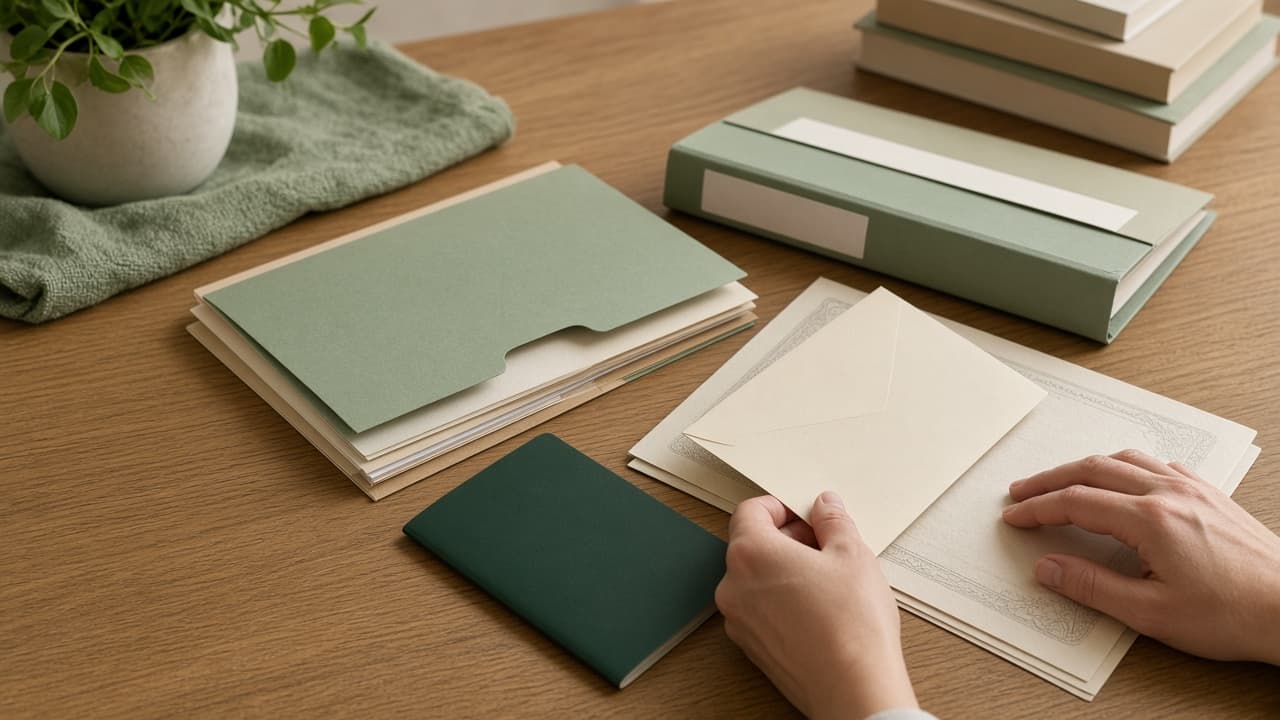
Important documents often end up in several places: passports in a drawer, insurance by email, receipts in a box and school records in a bag. The problem appears when a form is due, a claim is needed or travel is approaching.
A good family document system balances quick retrieval with security. It does not require scanning every sheet of paper. Start with the records that are difficult to replace, needed regularly or connected to a date.
Create a simple document map
List the broad document groups in your household. Common categories include identity, home, insurance, finances, health, education, vehicles, employment and major purchases. Your list may be shorter, especially if you rent or live alone.
For each category, decide where the original lives and whether a digital copy is appropriate. A document map can record “passport — locked drawer” without storing the passport number. Keep the map secure because even location information may be sensitive.
Sort paper without creating a filing project
Use a temporary inbox for new paperwork, then process it during the weekly review. File what must be retained, action what needs a response and securely dispose of what is no longer required. Do not keep personal information simply because it might be useful one day.
Choose labels based on how you search. “Car — insurance and service” is often more useful than a broad “transport” folder. Put the newest statement or record at the front and avoid plastic sleeves where they make updates awkward.
Documents worth locating first
- Passports and civil certificates
- Home or tenancy records
- Current insurance policies
- Vehicle records and service history
- Warranties and receipts for major purchases
- Records needed for active applications or claims
Handle digital copies carefully
Use a trusted storage location protected by a strong, unique password and appropriate multi-factor authentication where available. Name files consistently, for example “2026-09 home-insurance schedule”, so they sort logically. Avoid emailing sensitive documents to yourself as a permanent filing method.
A photograph can be convenient, but check that every page is legible and that the copy is acceptable for the purpose. Some processes require an original or certified copy. Do not discard an original because you scanned it unless you are certain it is safe and appropriate to do so.
Connect documents to renewal dates
A document and its deadline should be linked. Record the expiry date for passports, insurance and other time-limited records, then set an early reminder. Allow more time where replacement involves an application, appointment or supporting documents.
When a new policy or certificate arrives, replace the superseded working copy, update the date and archive or securely dispose of the old version as appropriate. This prevents the wrong document being used during a stressful moment.
Plan safe household access
Agree who can access essential records and what should happen in an emergency. Keep highly sensitive documents locked away and do not put personal identifiers into a shared list unless everyone genuinely needs them. Children’s information deserves the same care as adult records.
Review the system once or twice a year and after major changes such as moving home, changing insurer or renewing passports. Clear out duplicates, test that digital files open and update the document map.
The result should be calm and practical: you know what exists, where it is, when it needs attention and who can access it. That is more valuable than a perfect archive of every piece of paper the household has received.
Use a consistent naming and review routine
For digital files, begin with the date in year-month format when chronology matters, followed by a plain description: “2026-09 car-insurance schedule”. Avoid names such as “scan final new 2”. Consistent names make search results understandable even before a file is opened.
Keep current documents separate from archive copies. The current folder should contain only the record you would use today. Archive folders can be organised by year, but retention depends on the document and your circumstances. Where you are uncertain about keeping an official, tax, legal or financial record, check current guidance from the relevant Irish authority or a qualified adviser.
Schedule a brief review around a memorable point in the year, and another after major household changes. Confirm that passports and policies have useful reminders, remove expired working copies and check that another trusted adult can follow the document map if necessary.
Be careful with shared devices. Logging out, using device encryption and applying software updates are basic protections, but access should still be limited to the people who need it. Never put sensitive scans into a publicly shared folder for convenience.
Tell household members how to add a new record and who is responsible for filing it. A clear intake habit matters more than an impressive archive because it keeps tomorrow’s important document from returning to the kitchen counter.