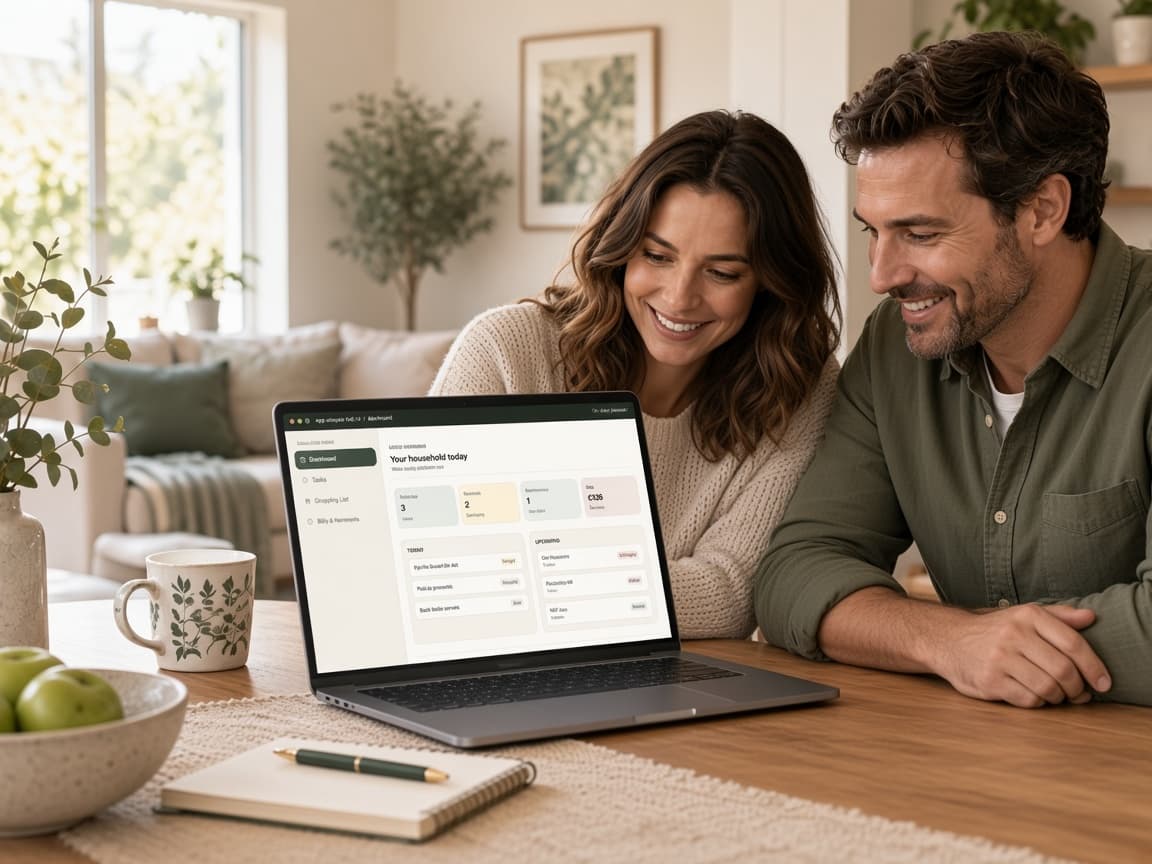
Shopping & Planning
How to Organise Shopping Lists and Reduce Household Waste
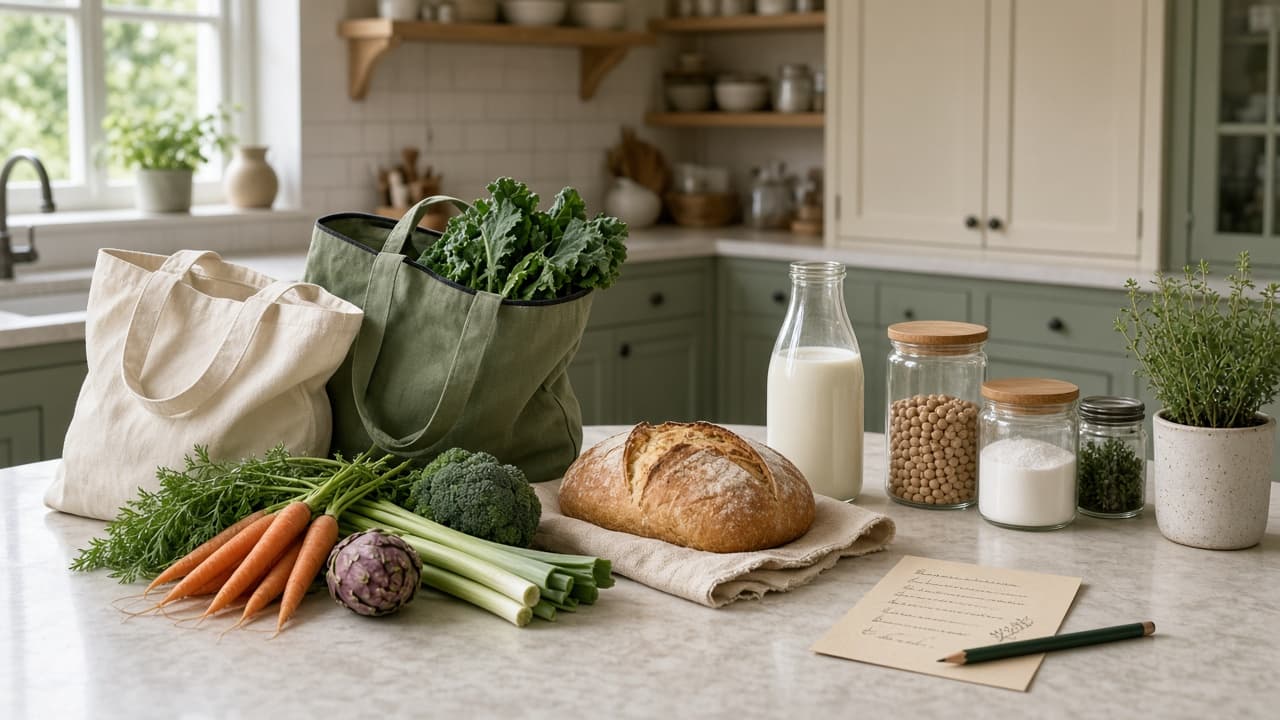
A shopping list works best as a household system, not a note written five minutes before leaving. When everyone adds items as they run low and the list is checked against what is already at home, it prevents forgotten essentials and duplicate purchases.
Reducing waste does not require a strict meal plan or a perfect zero-waste kitchen. The practical goal is to buy with a plan, use perishable food in time and learn which items your household repeatedly leaves behind.
Keep one shared list
Choose one list that can be updated whenever somebody uses the last item or notices supplies running low. Use clear quantities where they matter: “milk” may not be enough if one person expects one carton and another expects three.
Group items in a way that suits your normal shop, such as fruit and vegetables, chilled, pantry, household and pharmacy. A consistent order makes the list easier to scan and reduces backtracking around the shop.
Check the kitchen before buying
Before the main shop, look through the fridge, freezer and cupboards. Bring food with the shortest useful life to the front and plan meals around it. Check unopened duplicates, especially sauces, tins, cleaning products and toiletries.
A quick photo of the fridge can help with last-minute checks, but it should not replace the list. Make sure food is stored and used according to its label, including use-by instructions.
A five-minute pre-shop check
- What fresh food should be used first?
- Which meals are already possible from the cupboard or freezer?
- Which days will people be out?
- Are staples actually low, or only hidden?
- Is there freezer space for planned frozen items?
Plan flexible meals
Choose meals that share ingredients. Vegetables bought for one dinner can work in soup, pasta or a lunch the next day. Keep one flexible evening for leftovers, freezer food or changed plans.
Avoid planning seven ambitious dinners if the household usually cooks four. Base the plan on real energy and schedules. Convenience food can be part of a sensible plan when it prevents an unused collection of fresh ingredients.
Shop from the list, with room for value
A special offer only saves money if the household will use the item safely and in time. Compare the actual price and quantity needed rather than the size of the discount label. For expensive or rarely used products, pause before adding them to the trolley.
If you substitute an item, update the meal plan mentally or on the list. Mark items as bought so another household member does not purchase them again on the way home.
Learn from what gets thrown away
For two weeks, make a brief note of avoidable food discarded and why: too much was bought, plans changed, it was hidden or nobody liked it. Do not count unavoidable scraps unless tracking them helps your household.
Use the pattern to change the next shop. Buy a smaller pack, freeze a portion earlier, move an item to eye level or stop buying it out of habit. For local guidance on food waste and correct disposal, consult your local authority or an official Irish waste-information source.
A reliable list reduces decision-making as well as waste. It gives everyone a place to add needs, makes the shop faster and turns meal planning into a small weekly habit rather than a daily question.
Store food so the plan survives the week
When shopping is unpacked, put older suitable items where they will be seen and place newer items behind them. Keep an “eat first” area in the fridge if that is useful for your household. Follow the storage instructions and temperature guidance on food labels and appliance documentation.
Label home-frozen portions with the item and date so they do not become anonymous containers. Freeze only food that is suitable for freezing, and follow safe defrosting and reheating guidance from an authoritative food-safety source. A freezer list can help, but it must be simple enough to update.
Plan lunches as part of the shop. Leftover ingredients are more likely to be used when somebody knows they are available. If plans change, decide early whether food can be moved to another meal, frozen safely or shared rather than finding it at the back of the fridge days later.
Keep receipts long enough to check the household budget and resolve any product problem, then handle them according to your normal record system. Reviewing the total against the planned list can reveal expensive impulse patterns without turning every food choice into a calculation.
Keep shared shopping clear
- Add an item when it is opened or running low, not only when it is gone.
- Include quantity, preferred size or an acceptable substitute when needed.
- Remove an item as it goes into the trolley.
- Keep occasional wants separate from household essentials.
- Review repeat waste before copying last week’s list.